
Rooftop Units vs Split Systems: Choosing the Right Commercial HVAC System for Your Building
Choosing the right commercial HVAC system is a long-term decision that affects comfort, operating costs, maintenance needs, and system lifespan. For Michigan businesses, wide seasonal temperature swings and heavy heating demands make this a costly decision.
Two of the most common options for commercial buildings are rooftop units and split systems. Building owners and facility managers need to understand how these systems work in order to make informed decisions for their buildings.
Choosing the right commercial HVAC system impacts long-term performance
Commercial HVAC systems are not interchangeable. The right system depends on how your building is used, how it is laid out, and how it handles heating and cooling demands throughout the year. In Michigan, systems must perform reliably during hot summers, cold winters, and frequent shoulder-season changes.
Choosing the wrong system can result in:
- Uneven temperatures across the building
- Higher energy bills
- More frequent repairs
- Shortened equipment lifespan
What rooftop units are and how they work
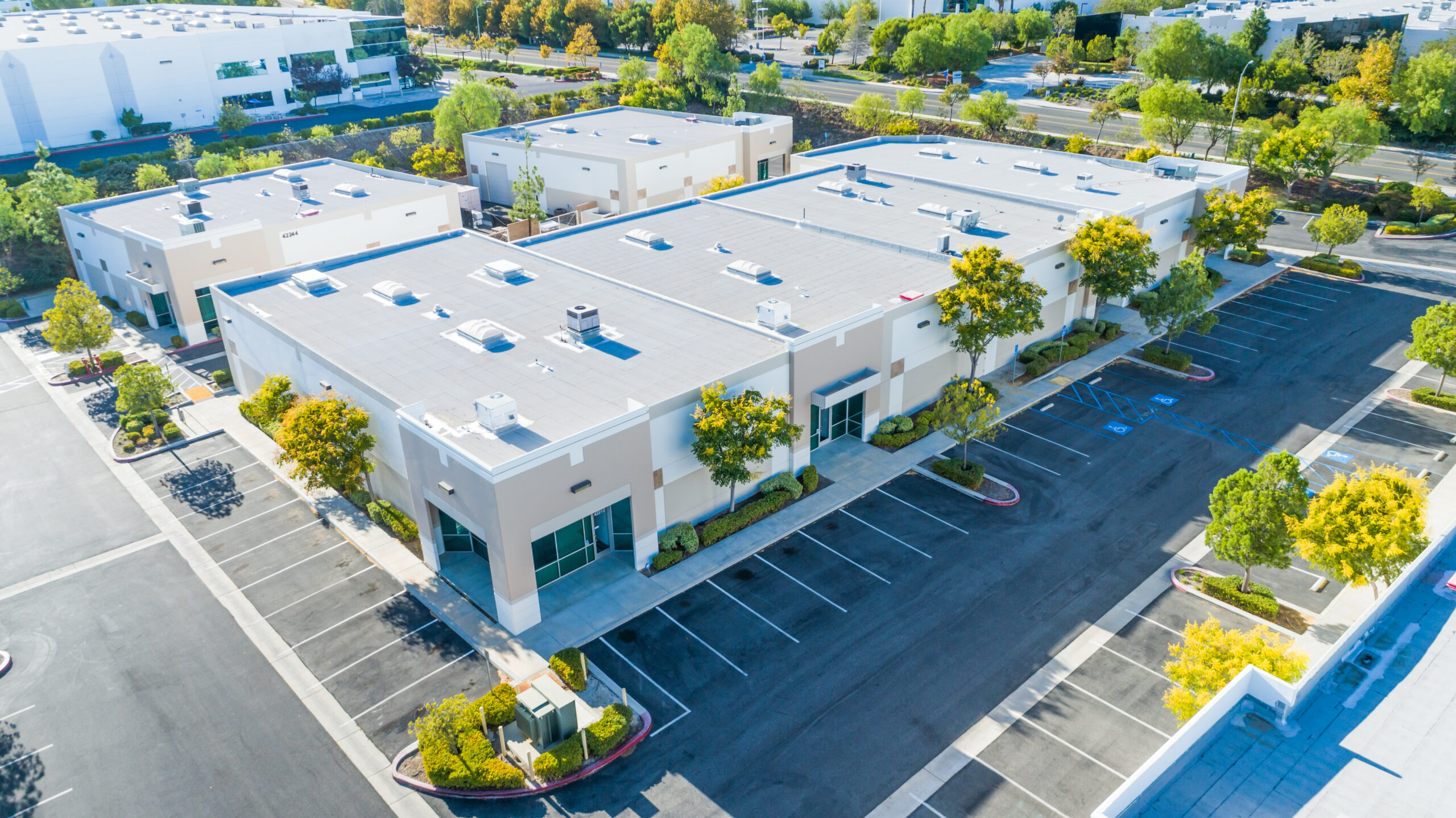
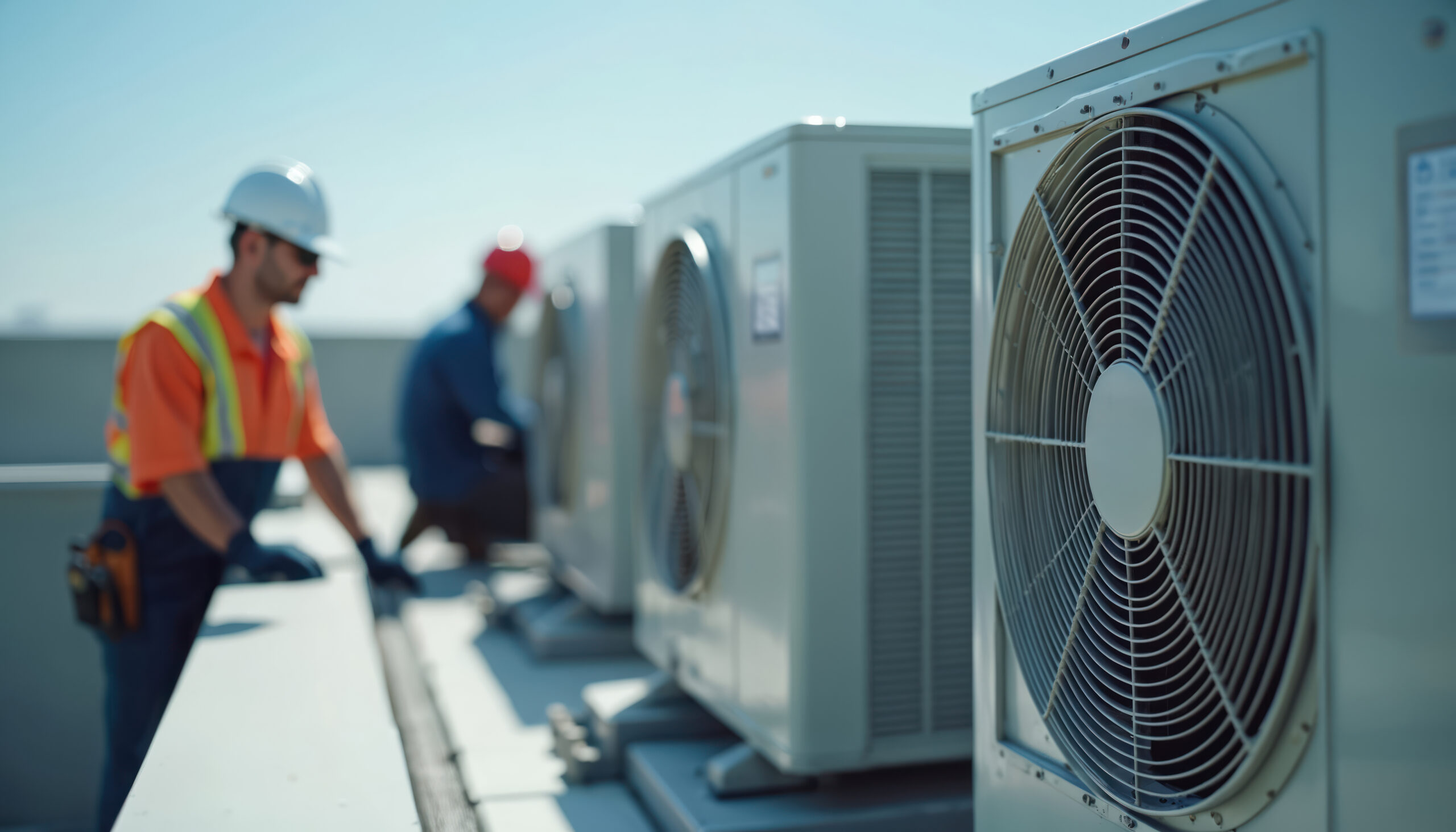
Rooftop units, commonly called RTUs, are self-contained HVAC systems installed directly on the roof of a commercial building. Each unit includes heating, cooling, air handling, and controls in a single cabinet.
These rooftop units include:
- All major components housed outdoors
- Air distributed through ductwork from the roof
- Minimal use of indoor mechanical space
RTUs are often used in retail centers, warehouses, office buildings, and light industrial facilities.
What are split system HVACs?
Split systems separate HVAC components between indoor and outdoor units. The condenser and compressor are installed outside, while the air handler and evaporator coil are located inside the building.
Split systems are valuable because they:
- Allow greater flexibility in system design
- Support zoning for different areas of a building
- Work well in buildings with limited roof space
They are frequently used in offices, medical buildings, and multi-tenant commercial properties.
Installation considerations for Michigan commercial buildings
Installation requirements vary significantly between rooftop units and split systems. Rooftop units require roof access, structural support, and crane access during installation or replacement. Buildings with flat roofs and open layouts are often good candidates.
Split systems require:
- Indoor mechanical space
- Routing for refrigerant lines
- Careful coordination with building layout
Michigan weather also plays a role, including snow loads, ice, wind exposure, and freeze protection considerations.
Maintenance and service accessibility
Ease of maintenance affects service time, labor costs, and operational downtime. Rooftop units allow technicians to access most components in a single location, which can simplify routine service.
Split systems involve:
- Servicing both indoor and outdoor components
- Protecting indoor equipment from weather-related wear
- Potentially longer service times depending on layout
The right choice depends on how accessibility and environmental exposure balance out for your building.
Energy efficiency and performance differences
Both rooftop units and split systems are available in high-efficiency configurations. Actual performance depends on proper sizing, design, and installation.
General performance differences include:
- Split systems often provide better zoning and temperature control
- Rooftop units perform well in large, open spaces with consistent usage
- Both systems can meet Michigan heating and cooling demands when properly designed
Which system is better for your commercial property
There is no single best option for every building! Rooftop units are often best for large, open commercial spaces. Split systems tend to work better in buildings with multiple zones or limited roof capacity.
When deciding which is best, make sure to map out building size and layout, occupancy patterns, future expansion plans, and energy efficiency goals
How Oxford Mechanical helps businesses choose the right system
Oxford Mechanical takes a consultative approach to commercial HVAC system selection. Instead of offering a one-size-fits-all solution, the team evaluates your building, usage needs, and long-term goals before making recommendations. Read our success stories with custom fits to see how OxMech works.
By focusing on performance, efficiency, and reliability, Oxford Mechanical helps Michigan businesses select HVAC systems that support comfort, control costs, and perform reliably in the local climate. Give us a call at 734-719-8010, or reach out online today!