
Common Efficiency Issues with Commercial HVAC
Commercial HVAC efficiency is one of the largest controllable energy costs in a building. Maintaining their performance is key to keep utility bills from rising, but most losses in efficiency happen gradually, often going unnoticed. A degraded HVAC system shows up in inconsistent temperatures and system strain, leading to energy waste and higher bills.
In Ann Arbor, where winters push heating systems to their limits and humid summers put sustained pressure on cooling, those gradual losses compound quickly. The following issues below are the most common culprits of declining HVAC efficiency that our team at Oxford Mechanical finds in commercial buildings. The good news is that these performance issues can be improved upon if you address them early with a professional’s help.
Dirty or Clogged Air Filters
Restricted airflow is one of the fastest ways to degrade HVAC performance. When filters clog, the system draws more energy to move the same volume of air. This drives up energy consumption while delivering less air where it’s needed. The strain compounds: air quality drops, components wear faster and energy costs climb before anything visibly breaks down. Commercial buildings cycle more air than residential properties and typically carry higher occupancy levels, so filters need changing more frequently than building managers often assume. A missed filter change that would go unnoticed in a small office becomes a measurable HVAC efficiency drain in a 20,000-square-foot building.
Poor or Degraded Insulation on Ductwork
Conditioned air that escapes through leaky or under-insulated ductwork never reaches its destination. The system continues running to compensate, but the energy is already lost. In commercial buildings, duct runs are long and often routed through unconditioned mechanical spaces where temperature differentials are extreme, especially during Ann Arbor’s muggy summers. According to ENERGY STAR, leaky duct systems can account for 20–30% of total conditioning energy loss without producing a single mechanical fault code. The most common signs are hot or cold spots in the building and uneven temperatures between floors or zones, both of which tenants notice long before a technician is called.
Refrigerant Leaks or Low Refrigerant Levels
Cooling systems depend on precise refrigerant levels to transfer heat effectively. When levels drop due to a slow leak, cooling capacity falls and the system runs longer cycles to reach the same setpoint. The result is more energy used unnecessarily in the process. This issue often goes undiagnosed until performance drops to a point that tenants report it directly. Commercial properties also carry compliance considerations under EPA Section 608: refrigerant handling is regulated, and leaks in larger systems may trigger reporting obligations. Addressing a refrigerant issue early is both an efficiency measure and a necessary HVAC repair for property owners.
Neglected Coils: Evaporator and Condenser
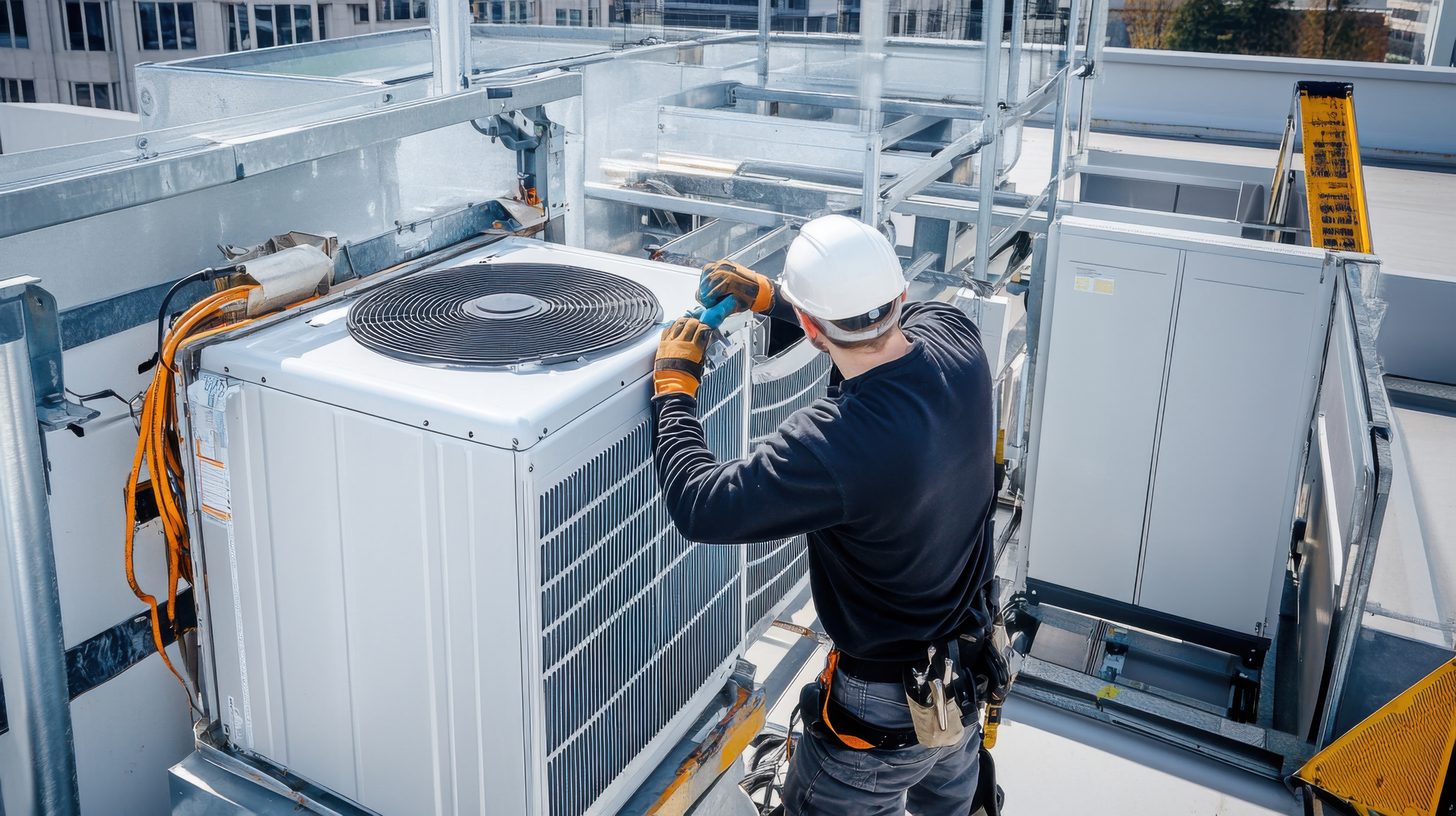
Heat transfer is the core function of any HVAC system, and dirty coils undermine it directly. A layer of dust or debris on evaporator or condenser coils acts as insulation in the wrong direction, forcing the system to work harder to move the same amount of heat. Energy consumption rises, equipment lifespan shortens, and peak cooling performance suffers exactly when demand is highest. Ann Arbor properties near loading docks, kitchens or high-traffic outdoor areas face faster coil fouling than typical office buildings and should schedule professional cleanings to improve their HVAC efficiency.
Aging or Poorly Calibrated Thermostats and Controls
A thermostat that reads two degrees high runs the system longer than necessary on every cycle. Multiply that by a full cooling season and the energy waste is substantial. In commercial settings, the problem is often structural: a single thermostat controlling a mixed-use zone where occupancy and heat loads vary significantly across the day. A conference room that runs empty until 2 p.m. shouldn’t be conditioned the same way a server room or a reception area is. Programmable and smart controls, properly zoned, reduce both runtime and overall HVAC efficiency losses that follow when one area of the building is consistently uncomfortable.
Oversized or Undersized Equipment
Improper sizing is an installation problem that compounds for the life of the equipment. An oversized system short cycles, shutting off before it completes a full conditioning cycle and leaving humidity uncontrolled. An undersized system runs continuously and never quite catches up during peak demand. Both scenarios increase energy costs and shorten equipment lifespan. The issue is common in commercial buildings that have undergone renovations or tenant buildouts without a reassessment of HVAC load requirements. A space reconfigured for higher occupancy or a different use case may be significantly mismatched with equipment sized for the original layout.
Lack of Preventive Maintenance
The issues above share a common thread: most of them are preventable with consistent service. In our experience servicing commercial properties in Ann Arbor and across Southeast Michigan, deferred HVAC maintenance is the single most consistent factor we find in buildings with climbing utility costs. Skipped tune-ups allow small inefficiencies to stack into significant energy waste over a season, and delayed maintenance reliably produces higher emergency repair costs than routine service would have.
For commercial systems that run hard through both heating and cooling systems, Oxford Mechanical recommends two service visits per year (one before the summer and one before the winter) so that any performance issues don’t compound under peak load. If you’re unsure about how to improve HVAC efficiency, a maintenance assessment is a practical starting point. A review of summer HVAC maintenance practices can also help building managers prepare before peak cooling season arrives.
Is Inefficiency Costing Your Building Money? OxMech in Ann Arbor Can Help
Oxford Mechanical is Oxford Companies’ heating and cooling services division, serving Ann Arbor businesses since 1998. We provide commercial HVAC efficiency assessments, preventive maintenance programmes and repair services across Southeast Michigan. If your building is showing any of the signs we described in this blog, our team can diagnose the source and put a service plan in place. Schedule a service call, or review our success stories to see how we’ve helped commercial clients reduce energy costs and extend equipment lifespan.